



 DOGS bodysuits
 CAT bodysuit
 HORSES bodysuits
 SMALL PETS bodysuits
 ACCESSORIES














Blog
Recovery Suits for dogs, cats and horses – Why the material makes all the difference when it comes to heat retention
Jun
Heat Accumulation Test – Surgical Recovery Suit for Dogs, Cats, and Horses – Why Material Makes All the Difference in Heat Retention
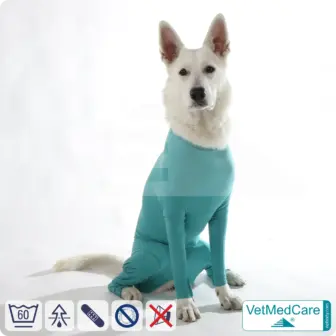
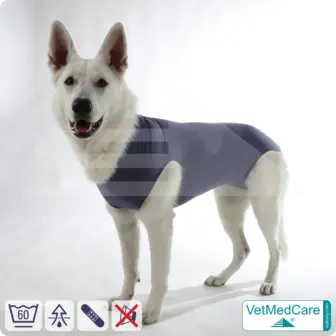
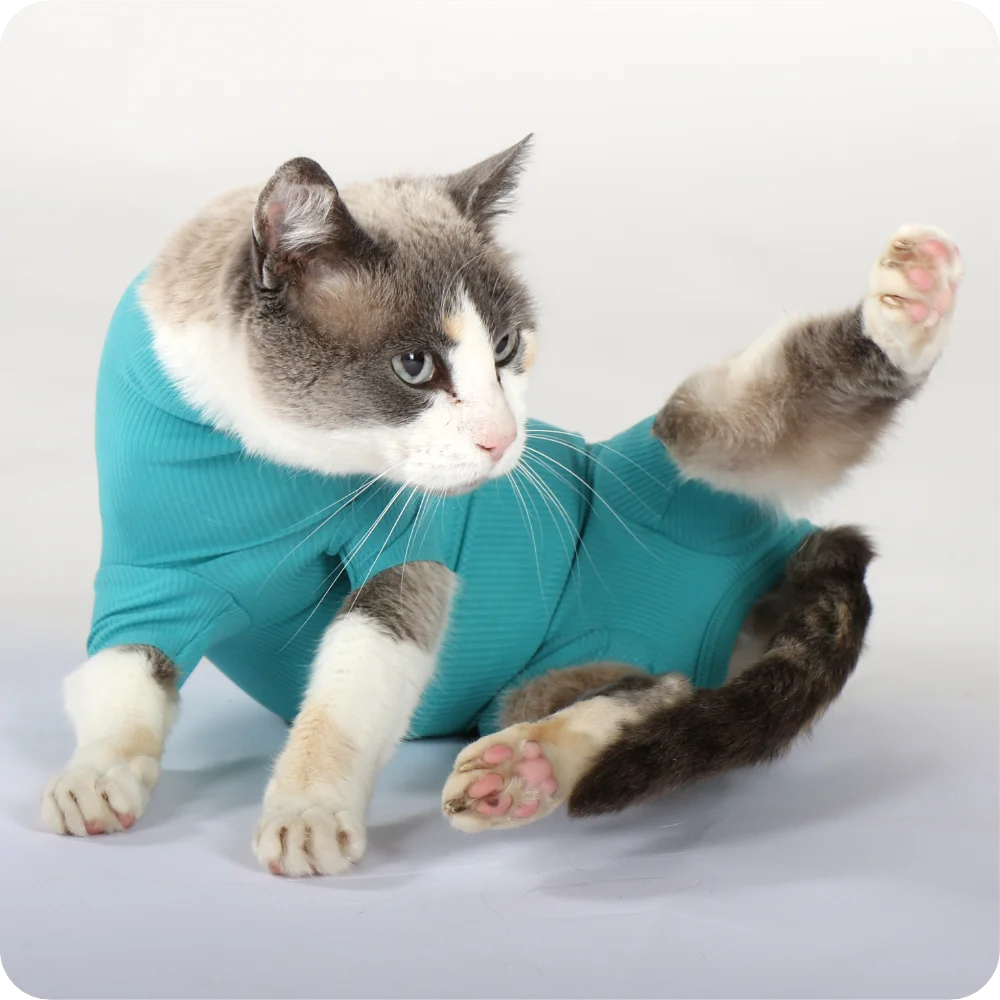
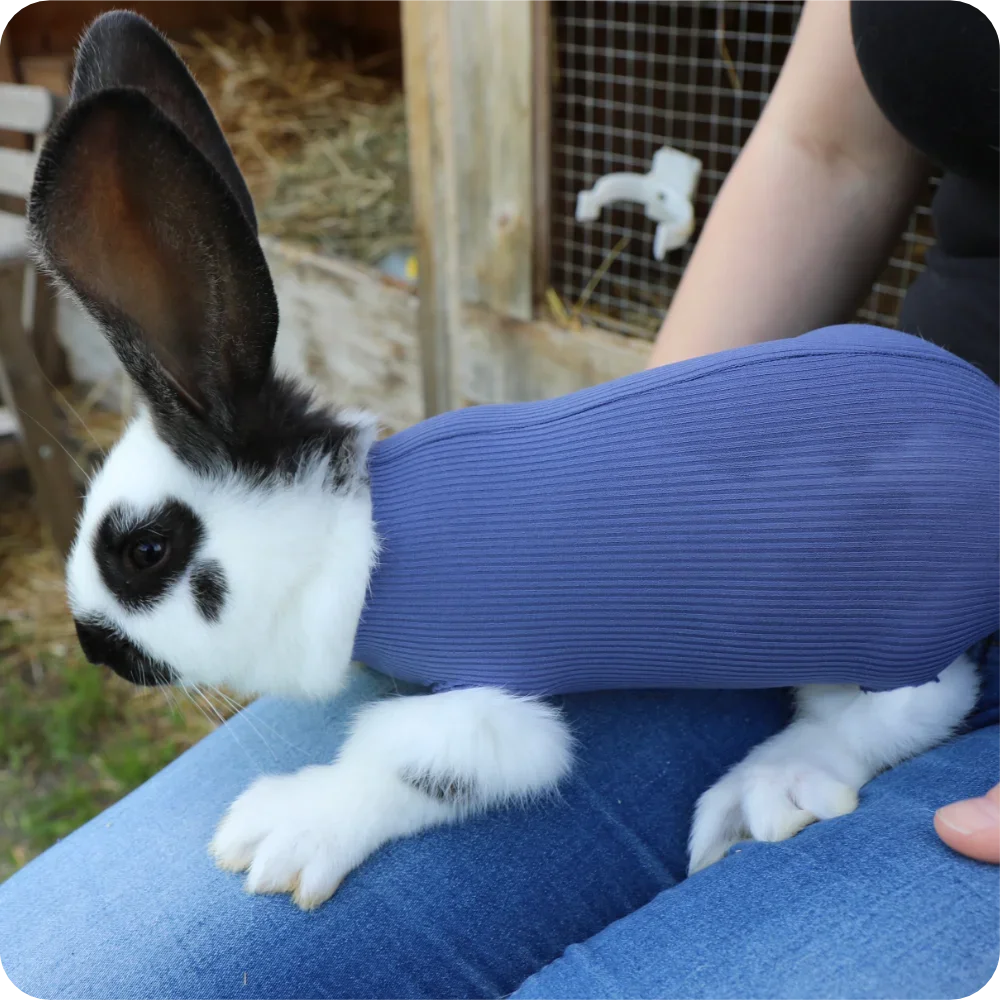
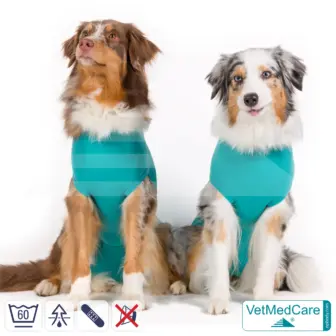
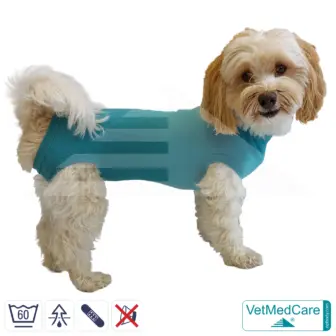
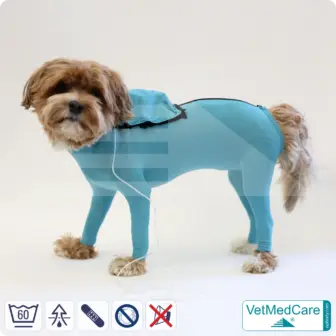
After surgery, the most critical phase begins for dogs, cats, and horses: healing. To ensure surgical wounds heal undisturbed, they must be reliably protected from licking, scratching, and dirt. Many veterinarians therefore recommend a surgical recovery suit as a comfortable alternative to the traditional Elizabethan cone.
However, not every recovery suit is created equal. Besides a good fit, the material plays a decisive role. It directly impacts wearing comfort, thermal regulation, and thus your pet’s overall well-being throughout the entire recovery period.
A Pet Recovery Suit Must Do More Than Just Protect Wounds
A modern dog or cat recovery suit accompanies your pet for several days or even weeks. During this time, it should minimize disruptions to their daily routine while offering optimal protection.
A high-quality surgical recovery suit stands out due to the following features:
- Reliable protection of the surgical wound
- Comfortable fit without pressure points
- High freedom of movement
- Highly breathable material
- Quick-drying fibers
- Shape retention even after frequent washing
- Hygienically washable at 60 °C (140 °F)
- Durable quality for daily use
These features ensure that dogs and cats adapt to the suit much faster and accept wearing it long-term.
Why the Fabric and Material Matter So Much
Many conventional dog recovery suits are predominantly made of cotton.
While cotton feels pleasant at first, it tends to trap moisture and dries relatively slowly.
Modern functional fabrics have been specially developed to wick moisture away faster while supporting a balanced body climate. This is a crucial advantage right after surgery, as a comfortable temperature significantly enhances overall wearing comfort.
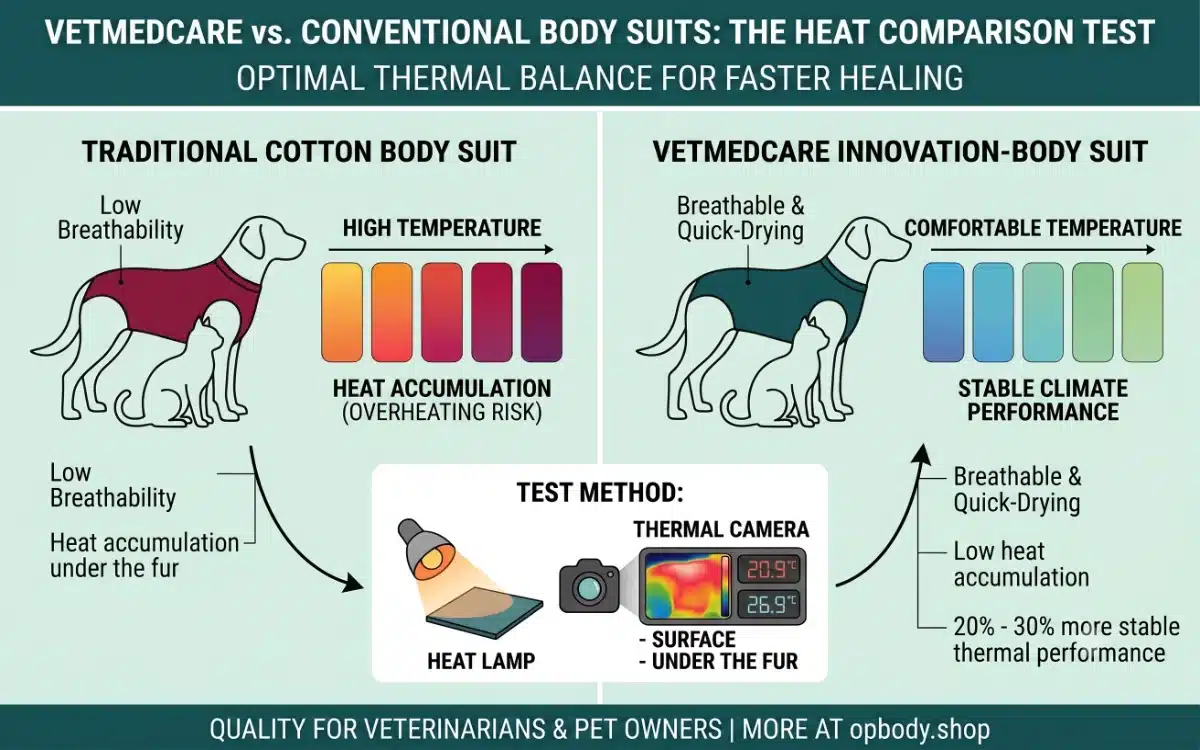
Material Test: How Does Our VetMedCare Recovery Suit Perform Under Heat Compared to Other Products?
To objectively compare the properties of different materials, extensive temperature tests were conducted.
The following procedures were used during testing:
- Heat tests under a thermal lamp
- Temperature measurements on the surface of the recovery suit
- Temperature measurements underneath the fur
- Thermal analysis using an infrared camera
This allowed us to track exactly how different fabrics behave under realistic, practical conditions.
Less Heat Retention – More Comfort
The results showed significant differences between classic cotton fabrics and modern functional textiles.
While cotton heated up more intensely and retained heat much longer, the specialized material of our surgical suit provided a significantly more balanced thermal performance.
Depending on the measurement method, the differences between the materials ranged between 20 to 30 percent.
This means:
- Reduced heat accumulation
- Better heat distribution
- A more comfortable feel for the pet
- Less heat stress underneath the suit
Especially during longer wearing periods or higher ambient temperatures, this can make a world of difference for your pet’s comfort.
A Balanced Body Climate Supports the Healing Process
Actual wound healing is, of course, influenced by many factors. Proper veterinary care always comes first.
However, a high-quality surgical recovery suit can significantly support the recovery phase by:
- Reliably protecting the surgical site,
- Preventing the pet from licking the wound,
- Keeping the skin clean and dry,
- Wicking moisture away to the outside faster,
- And maintaining a comfortable microclimate under the fabric.
Many pets appear much more relaxed when they feel comfortable in their protective medical shirt. This also makes daily life much easier for pet owners.
Durable and Hygienic
A recovery suit needs to be washed regularly during the healing phase. Therefore, the material must maintain its protective properties even after many wash cycles.
Premium functional fabrics deliver exceptional results through:
- High durability and tear resistance
- Long-lasting optimal fit
- Quick-drying properties
- Excellent shape retention
- Easy cleaning at 60 °C
This ensures the suit remains hygienically clean and is quickly ready for use again.
Why Many Veterinarians Trust High-Quality Surgical Recovery Suits
In daily veterinary practice, reliability is everything. A surgical suit must fit securely, protect the wound reliably, and remain as comfortable as possible for the animal.
For this reason, many veterinary clinics rely on modern materials specifically engineered for medical applications. They combine advanced functionality with maximum comfort, supporting pets through every step of their recovery journey.
Recovery Suit vs. E-Collar (The Medical Cone)
Most dogs and cats find a recovery bodysuit significantly more pleasant than a classic plastic neck cone.
A pet recovery suit offers numerous benefits:
- Unrestricted freedom of movement
- Effortless eating and drinking
- Better sleep quality and comfort
- Significantly reduced stress levels
- Reliable wound protection
Of course, the specific type of surgery determines which protective measure is best suited for each individual case. Your veterinarian can provide personalized advice on this.
Conclusion
A high-quality recovery suit protects far more than just the surgical wound. The key to success is the perfect combination of an ergonomic fit and premium material.
The thermal tests carried out demonstrate that modern functional fabrics offer a significantly more balanced temperature regulation than conventional cotton. Less heat retention, rapid moisture management, and high wearing comfort create the best possible conditions for a smooth, stress-free recovery phase.
Choosing quality when selecting a dog or cat recovery suit is not just an investment in wound protection, but an investment in your pet’s well-being.
Bodysuit Special for Male Dogs

Bodysuit Special for Male Dogs
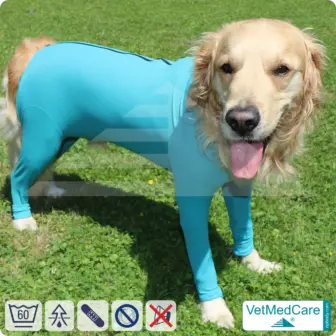
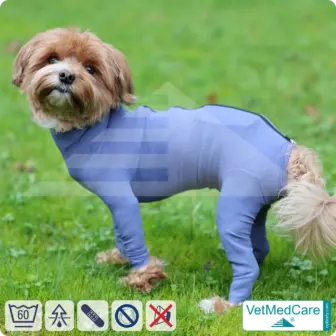
Bodysuit Special for Male Dogs
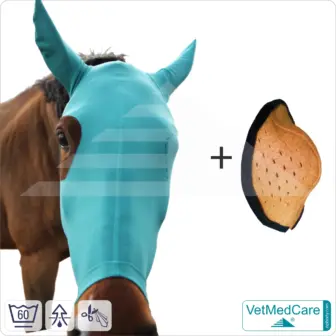

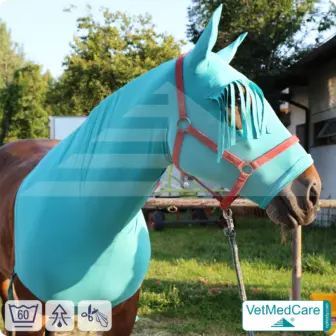
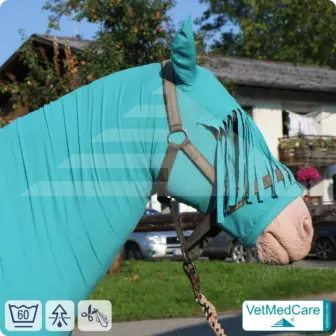
Specialised head protection
SAVINGS SET: Horse head mask with adjustable eye spacer without eye cut-out | VetMedCare®